🚩 Politics
The U.S. asked Figuera to lead Venezuela talks. Then Machado returned.
E
Editorial Team
2026-10-27
👁 42 views
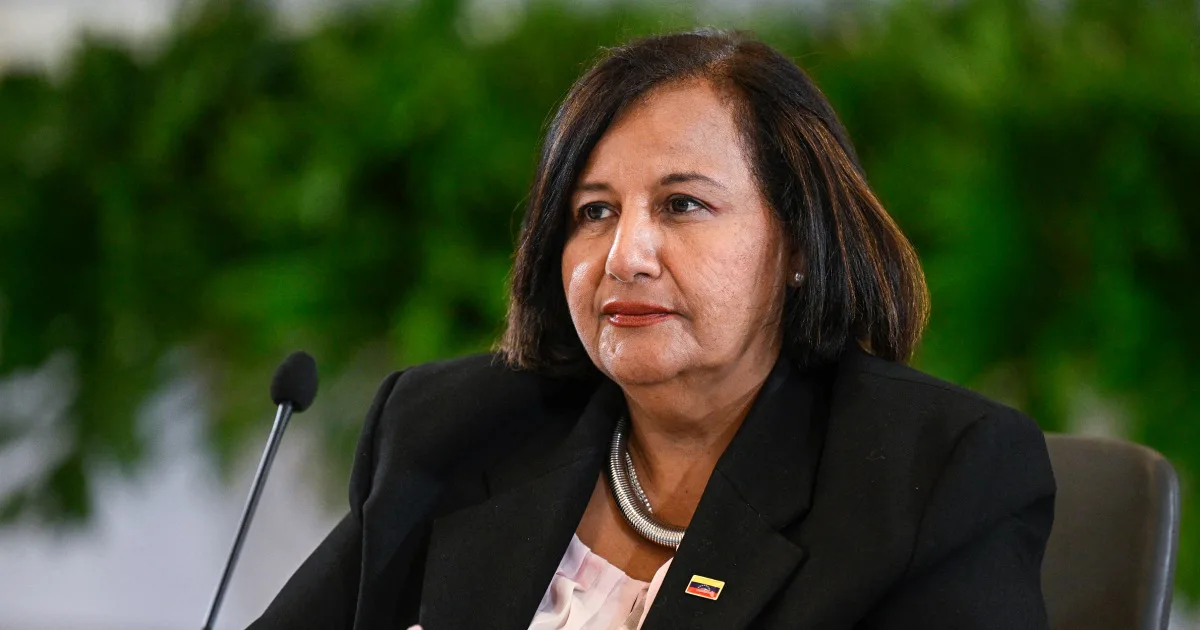
CARACAS, Venezuela — Dinorah Figuera never wanted to become Venezuela’s president or even lead a political party. But she has become an important figure in efforts to decide the country’s political future.
The United States has backed Figuera to lead opposition talks with Venezuela’s interim government. The talks aim to change the country’s political system and prepare for future elections.
Figuera is a former lawmaker who led an opposition-controlled National Assembly elected in 2015. She spent eight years outside Venezuela before returning to Caracas in June 2026 to take part in the political process. The United States still recognizes the 2015 assembly as Venezuela’s last democratically elected legislature.
Her role has placed her at the center of an important political debate: who should represent Venezuela’s opposition as the country considers its future?
Why the U.S. Chose Figuera
The Trump administration supported Figuera as a leader for negotiations with the government of interim President Delcy Rodríguez.
The talks are focused on changing key election and judicial institutions so future elections can be fairer. The opposition also wants political parties to be allowed to participate freely and political prisoners to be released.
Figuera’s group began talks with government representatives led by Jorge Rodríguez, the interim president’s brother and head of the National Assembly. The negotiations officially began in August after delays.
However, the decision to give Figuera this role surprised some opposition members because the country’s best-known opposition leader, María Corina Machado, was not included in the main talks.
Machado had been expected to lead opposition efforts to push for new elections. Her supporters see her as a key figure in the fight for democratic change.
The U.S. decision to back Figuera instead raised questions about whether Washington was giving greater importance to negotiations with the interim government than to Machado’s political movement.
Machado’s Return Changes the Situation
On October 25, Machado returned to Venezuela after spending months outside the country. Her return brought fresh attention to the opposition and could increase pressure on the government to hold elections.
Machado, who won the 2025 Nobel Peace Prize, has strong support among Venezuelans who want political change. She has called for elections, while the interim government has not announced a firm date for a presidential vote.
U.S. Secretary of State Marco Rubio said Washington had urged Venezuelan authorities to allow Machado to return safely. The United States has also said that political reconciliation and changes to state institutions are important steps toward credible elections.
Machado now faces a difficult choice. She can support the talks and try to influence their results, but she must also answer supporters who want elections as soon as possible.
Her return could strengthen the opposition’s position. At the same time, disagreements over who should lead the process could make negotiations more difficult.
What Happens Next?
The talks between Figuera’s group and the interim government are part of a wider effort to change Venezuela’s political system.
The main challenges include making election authorities more independent, reforming the courts, protecting political freedoms and creating conditions for a credible vote.
The U.S. government has reported progress in some areas, including the release of political prisoners and changes to restrictions on public information. However, major questions about future elections and political participation remain.
Figuera’s role could help keep negotiations moving, while Machado’s return may increase public pressure for faster change.
For Venezuela, the central question is whether the government and opposition can agree on a process that allows voters to choose their leaders freely.
The coming months will show whether negotiations can lead to meaningful democratic change or whether disagreements over leadership and elections will deepen the political divide.